Introduction to Electronic Cigarettes
Electronic cigarettes, commonly known as e-cigarettes or vapes, have revolutionized smoking alternatives worldwide. These battery-powered devices simulate tobacco smoking by producing vapor instead of smoke. The growing popularity of e-cigarettes stems from their innovative technology and perceived advantages over traditional cigarettes.
Key Features of Modern E-Cigarettes
- Advanced Vapor Technology: Modern devices utilize temperature control systems and advanced coil technology to produce consistent vapor quality. The latest models feature adjustable wattage and temperature settings for personalized vaping experiences.
- Multiple E-Liquid Options: Users can choose from thousands of flavor variations, including traditional tobacco, menthol, fruit, dessert, and beverage-inspired flavors. Nicotine strengths range from nicotine-free to high concentrations, accommodating both new users and former smokers.
- Portable Design: Contemporary e-cigarettes feature sleek, lightweight designs with USB-C charging capabilities. Many models offer compact pod systems that are discreet and easy to carry.
- Smart Technology Integration: High-end devices now include OLED displays, Bluetooth connectivity, and mobile app integration for tracking usage patterns and customizing settings.
Popular Types of E-Cigarettes
- Pod Systems: Compact and user-friendly, ideal for beginners
- Vape Pens: Balanced performance and portability
- Box Mods: Advanced devices with customizable features
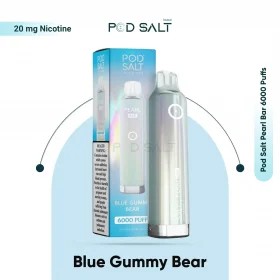
- Disposable E-Cigarettes: Convenient, maintenance-free options
Health and Safety Considerations
While e-cigarettes eliminate many harmful combustion byproducts found in traditional cigarettes, users should purchase from reputable manufacturers and follow proper battery safety protocols. Always use manufacturer-approved charging equipment and store devices appropriately.
Conclusion
E-cigarettes continue to evolve with technological advancements, offering smokers alternative options with various features to suit different preferences. As the market grows, manufacturers focus on improving safety features, flavor delivery systems, and user experience to meet consumer demands.